Consultation
We talk through who travels in the vehicle, where it goes, and what it realistically needs to stop. That conversation sets the protection level — not a price list.
The work
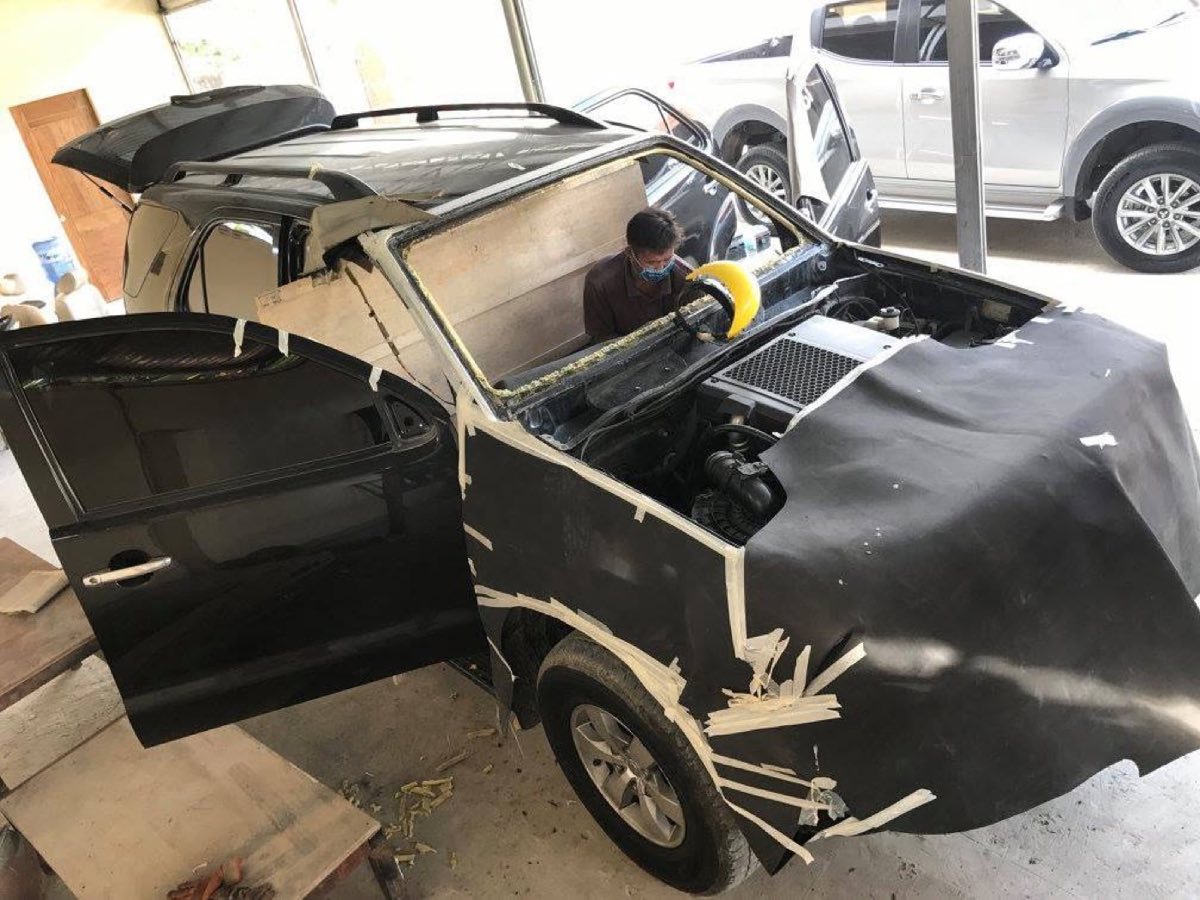
Stripped to bare metal, templated by hand, cut for one body shell and rebuilt to factory finish. This is what happens between drop-off and handover.
Build sequence
A typical build runs several weeks. The vehicle stays with one team from teardown to handover.
We talk through who travels in the vehicle, where it goes, and what it realistically needs to stop. That conversation sets the protection level — not a price list.
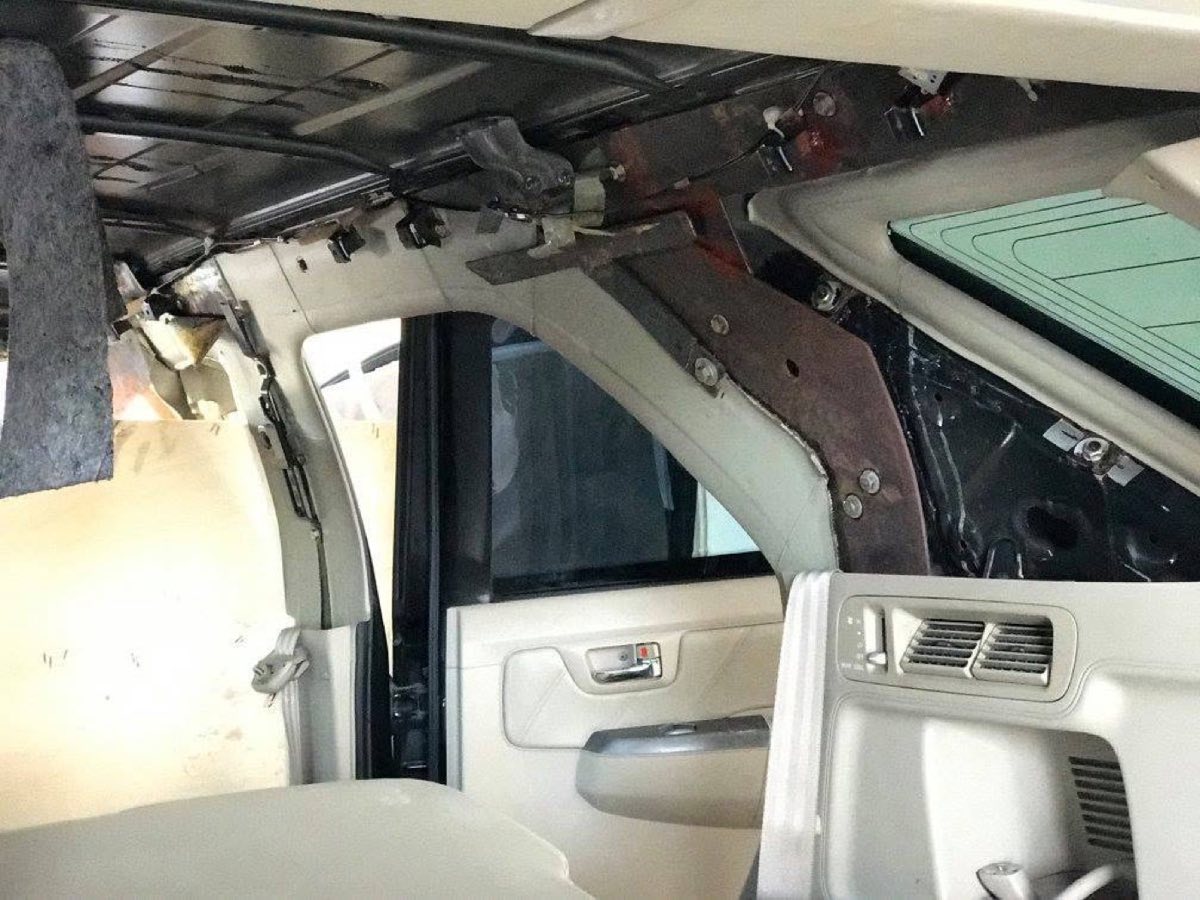
Interior, trim, glass and wiring come out. The shell is stripped to bare metal so every cavity, seam and line of sight can be measured properly.
Each panel is templated against the actual body, then cut from ballistic steel or aramid composite. Nothing is pulled off a shelf.
Opaque armor is fitted and overlapped at every joint; transparent armor is set into the original apertures and sealed. Hinges, latches and checks are reinforced.
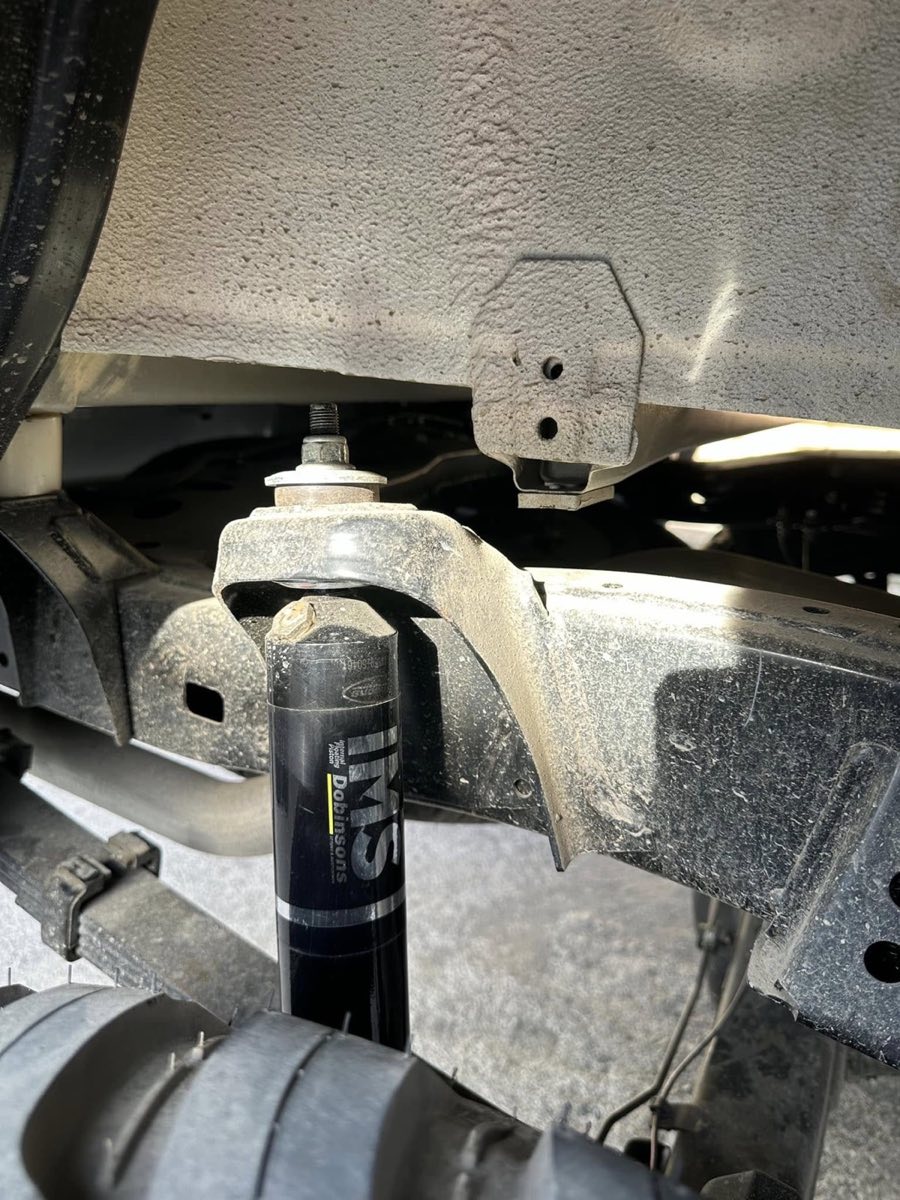
Springs, dampers, bushings, brakes and tyres are upgraded to the new kerb weight, then road-tested for ride height, braking distance and steering feel.
Interior returns to factory finish, the vehicle is fully detailed, every system is function-checked, and we walk the owner through the build in person.
Opaque armor
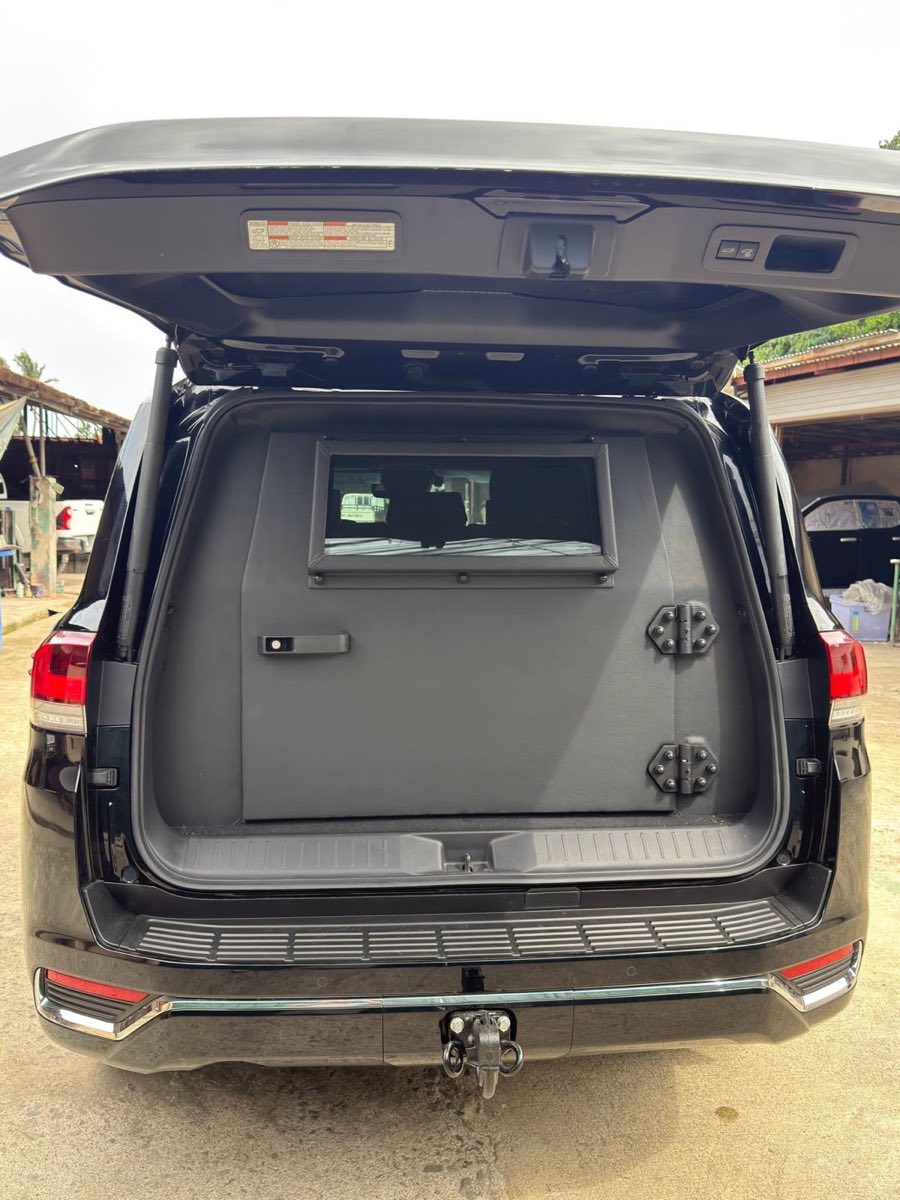
Ballistic steel and aramid composite are cut to each door, pillar, roof, floor, firewall and rear bulkhead. Panels overlap at every seam so a round cannot travel along a joint, and anti-spall lining sits behind the armor to catch fragmentation.
Transparent armor
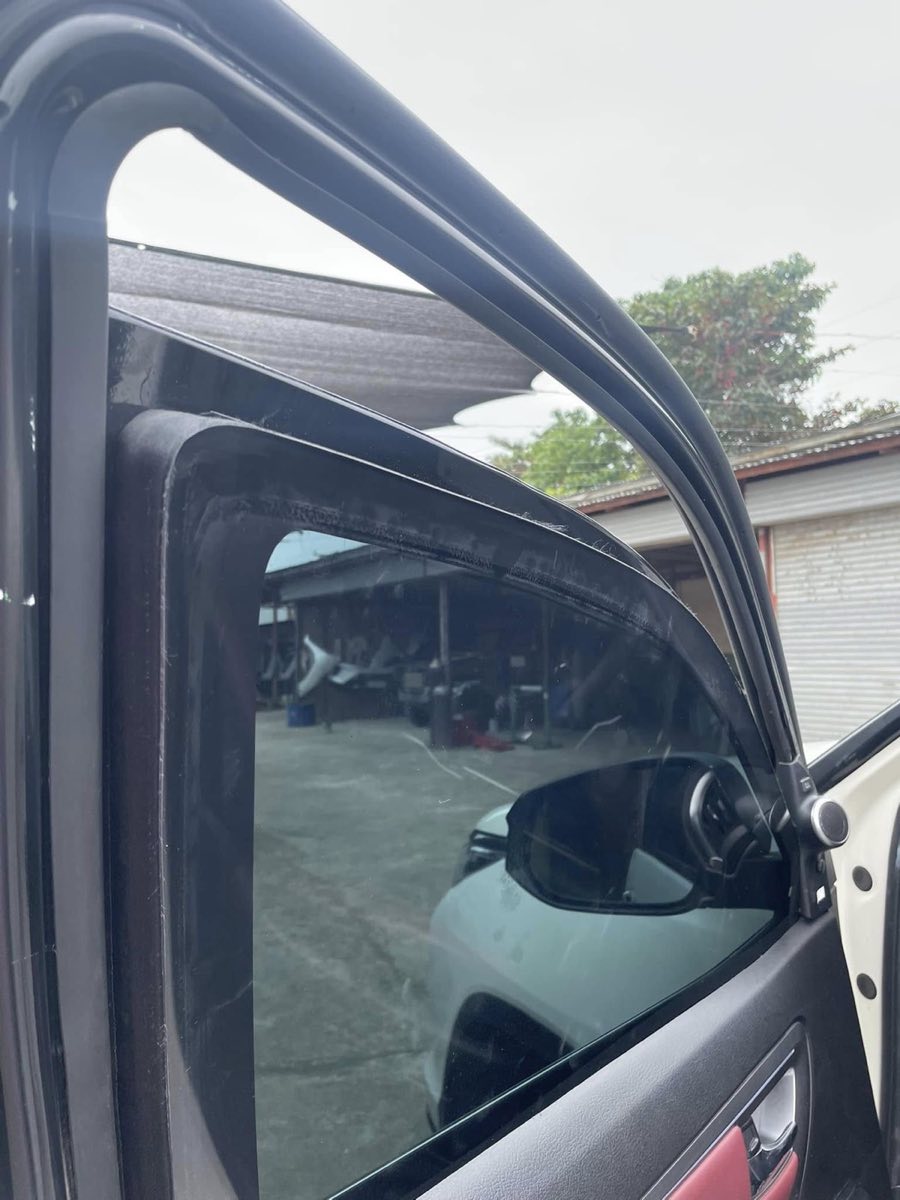
Multi-layer laminated glass with a polycarbonate backing, shaped to the original aperture and bonded into a reinforced frame. Edges are protected so the weakest part of a window is not its border, and optical quality is checked in daylight before the car is signed off.
Running gear
A finished package can add several hundred kilos. Left alone, that ruins ride height, braking distance and steering response — and wears the car out early. Every ARMADILLO build gets its suspension, brakes and tyres re-specified to the new kerb weight and road-tested before it leaves.
Specification
There is no single right answer. The level that suits a city executive is different from the one that suits a provincial convoy. We set the specification with you, in writing, before any material is cut.
Protection sized against common handgun threats. The lightest package, the least effect on the vehicle, and the usual choice for city-based executive transport.
Protection sized against high-velocity rifle threats. Heavier glass and opaque armor, matched with a full running-gear upgrade. The standard for convoy and provincial work.
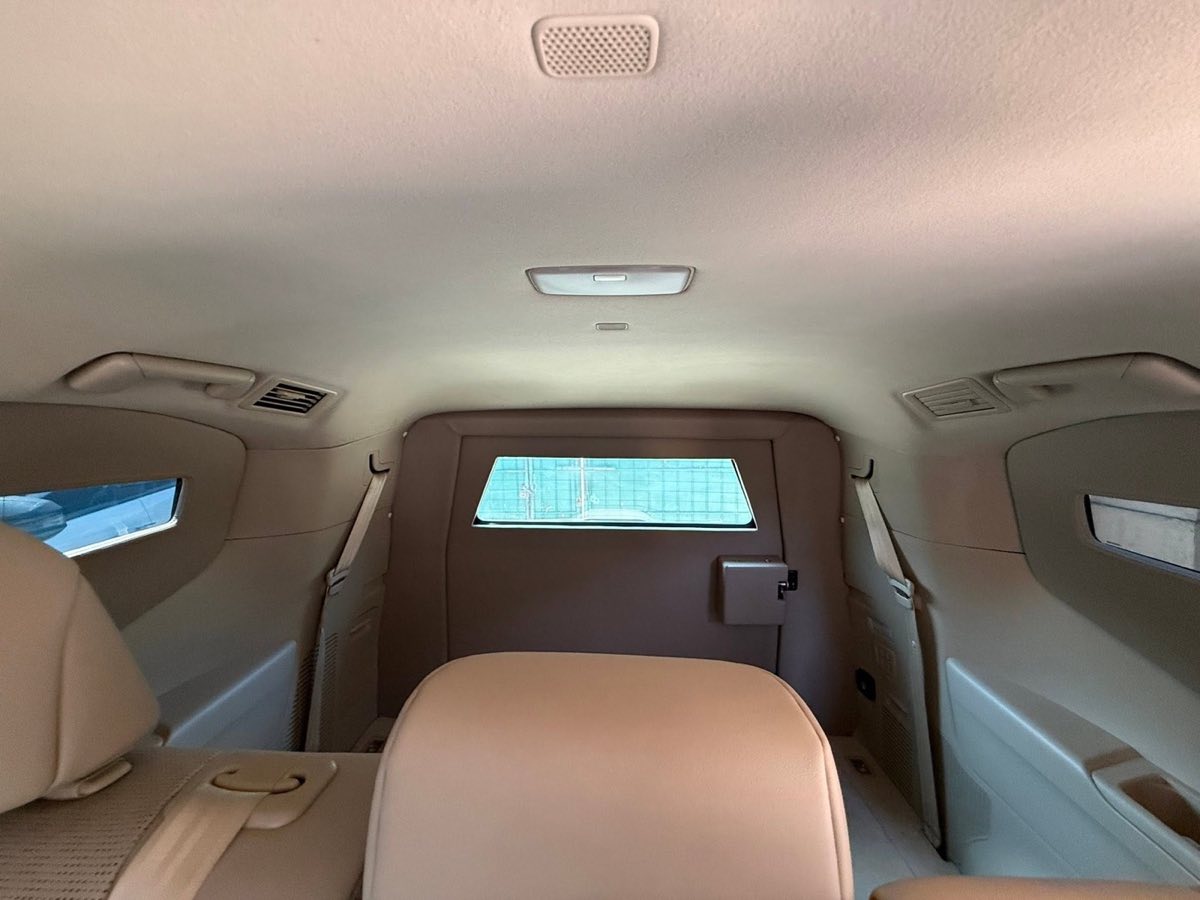
Different levels front to rear, vision ports, armored bulkheads, run-flats, siren and comms provisions, emergency exits — specified to how the vehicle actually operates.
Every build is quoted against a written specification naming the materials, coverage and standard being worked to. Ask us for the material data sheets and test documentation for the level you are considering — we will provide them before you commit.
From the floor
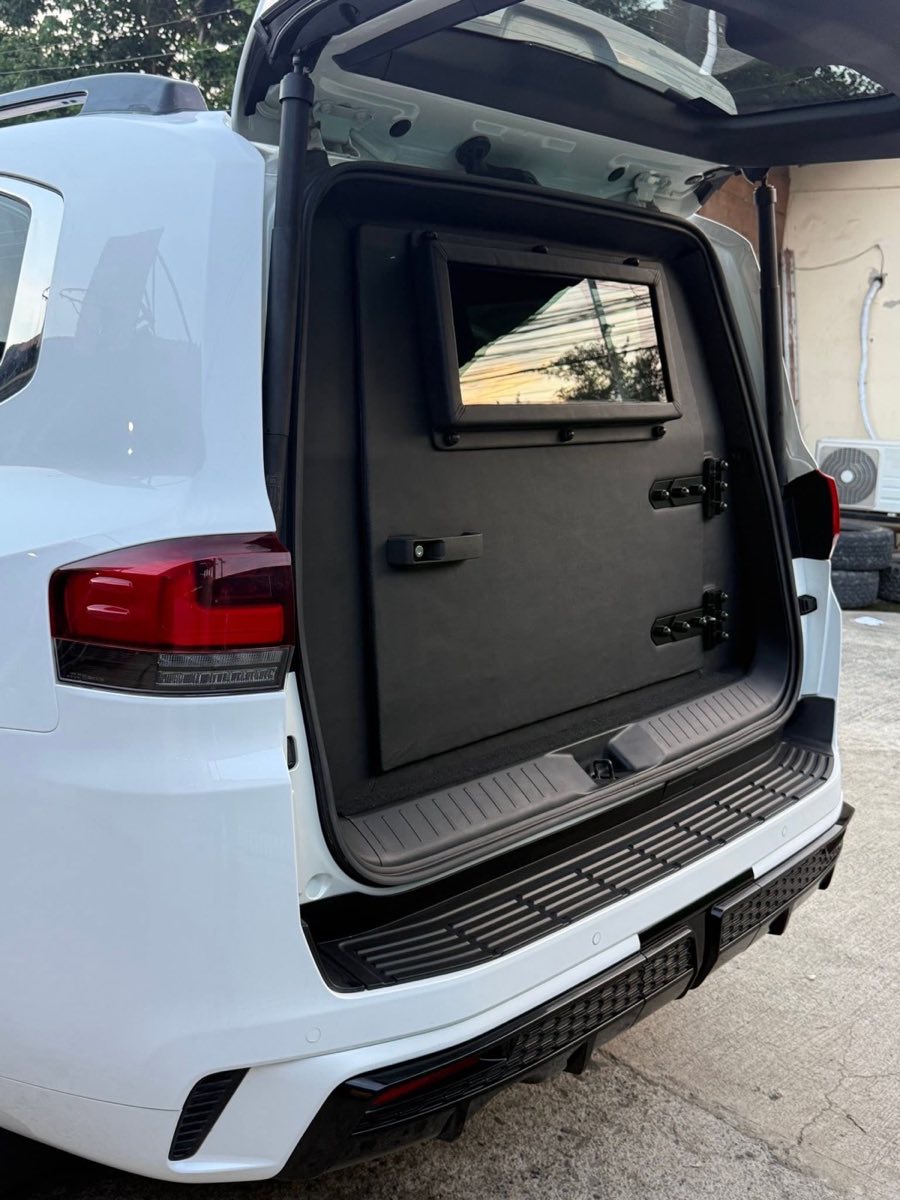
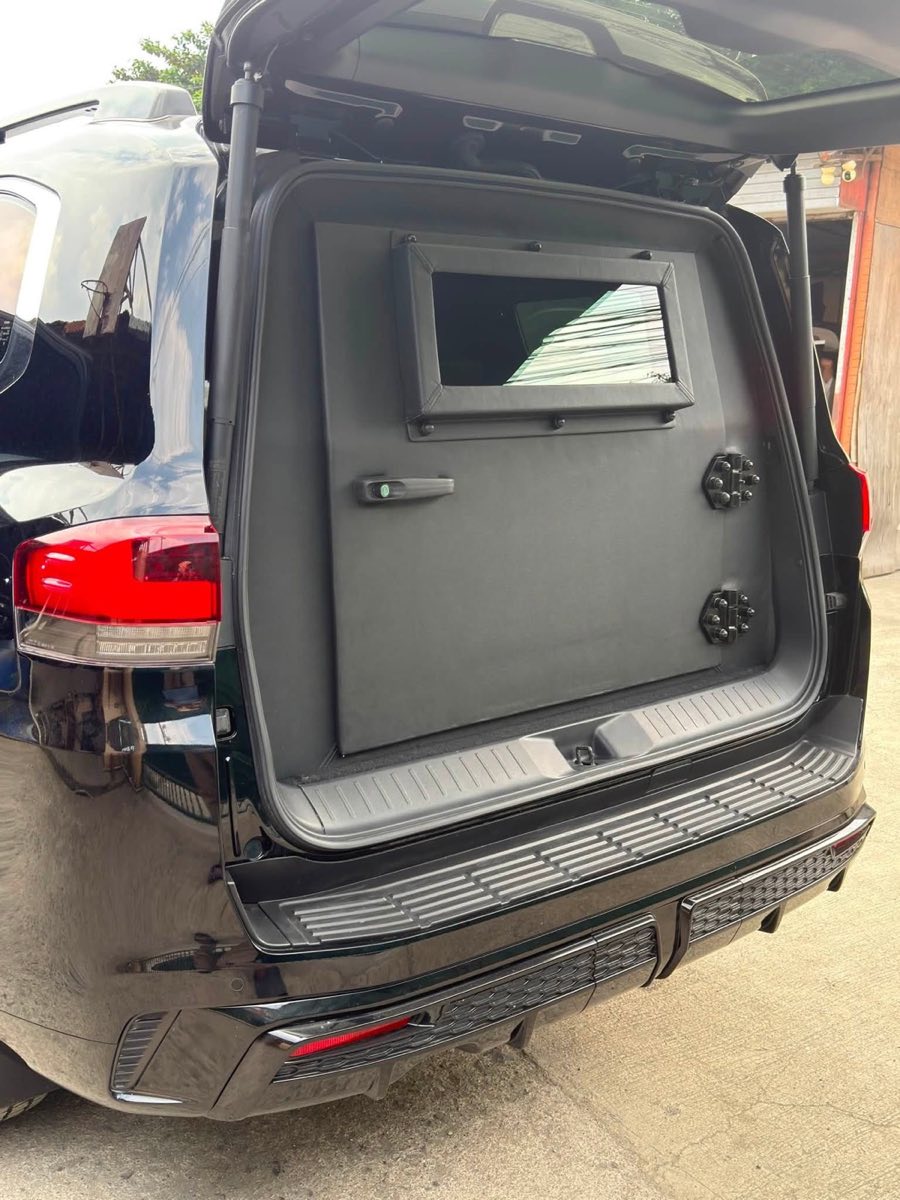
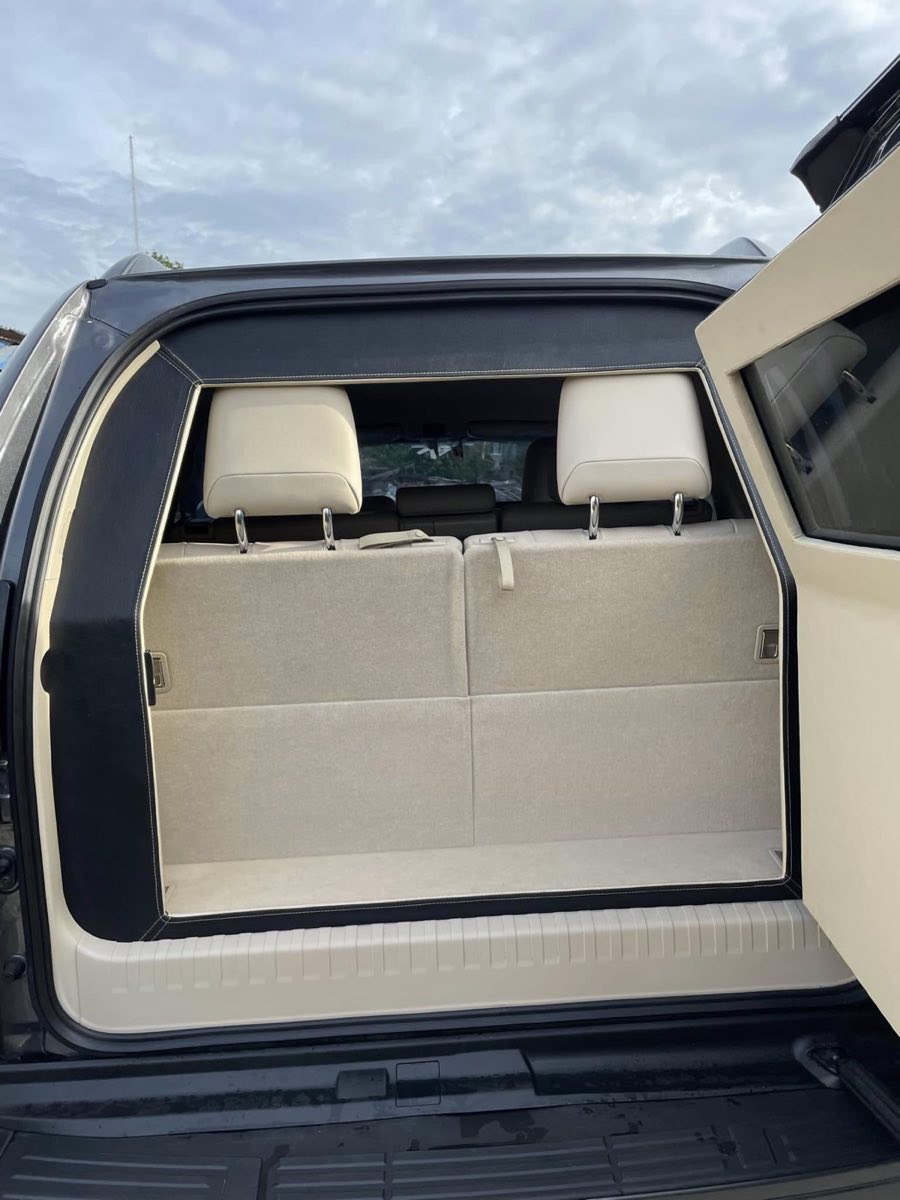
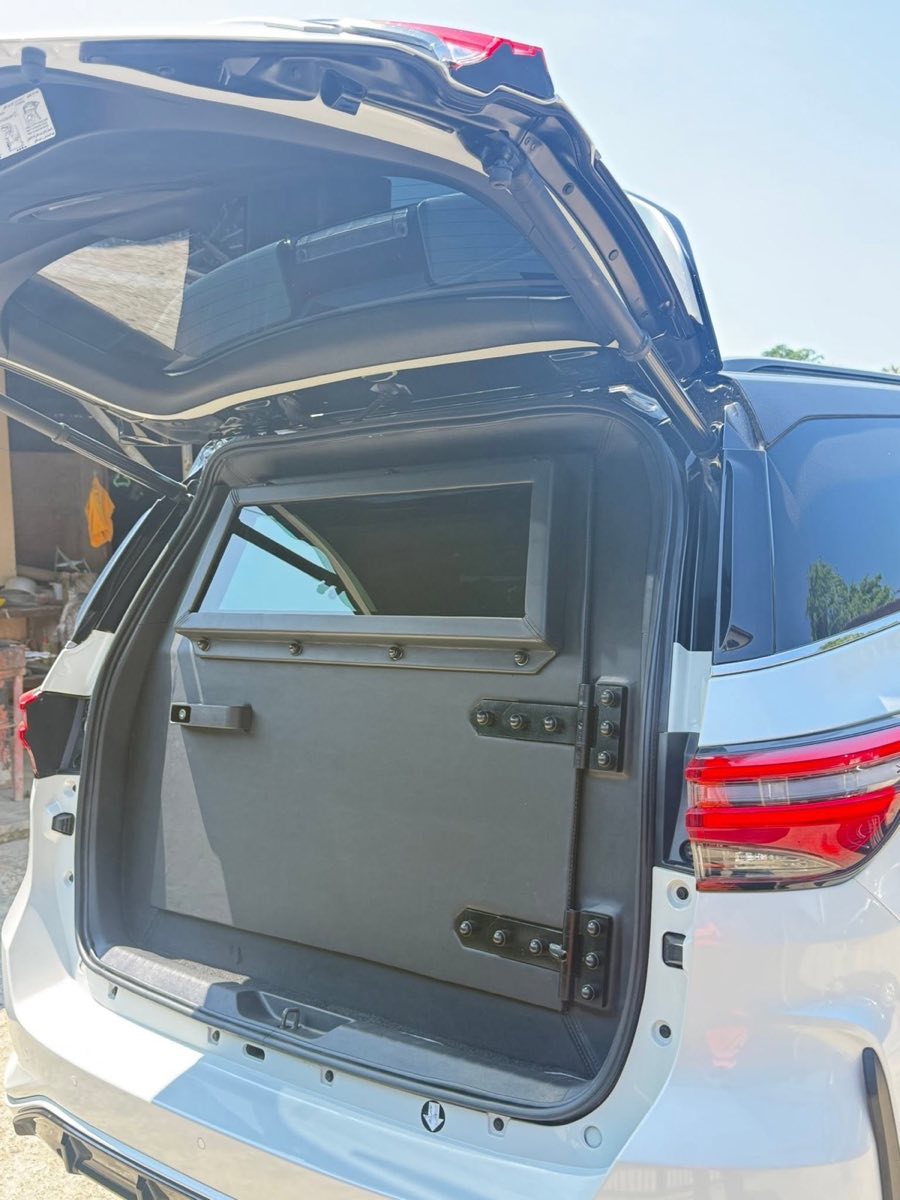
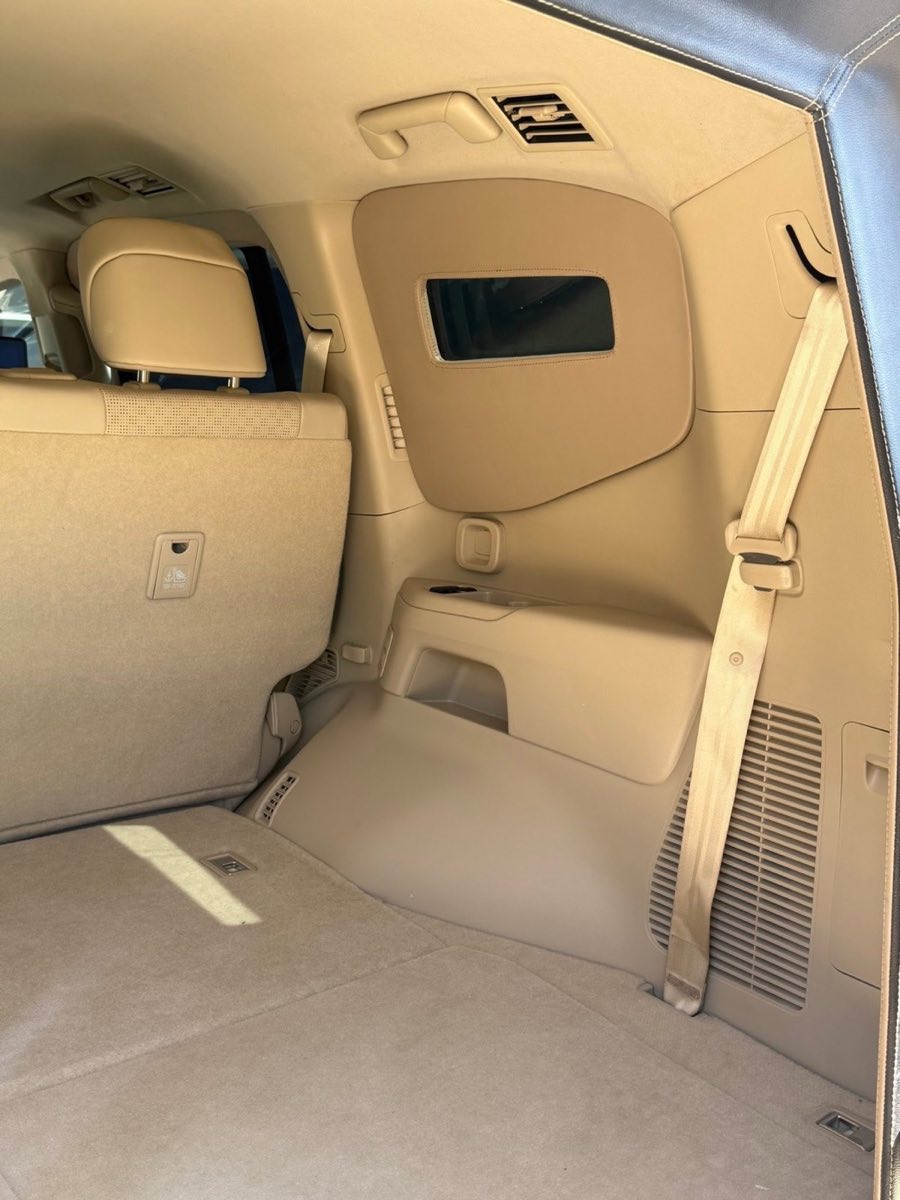
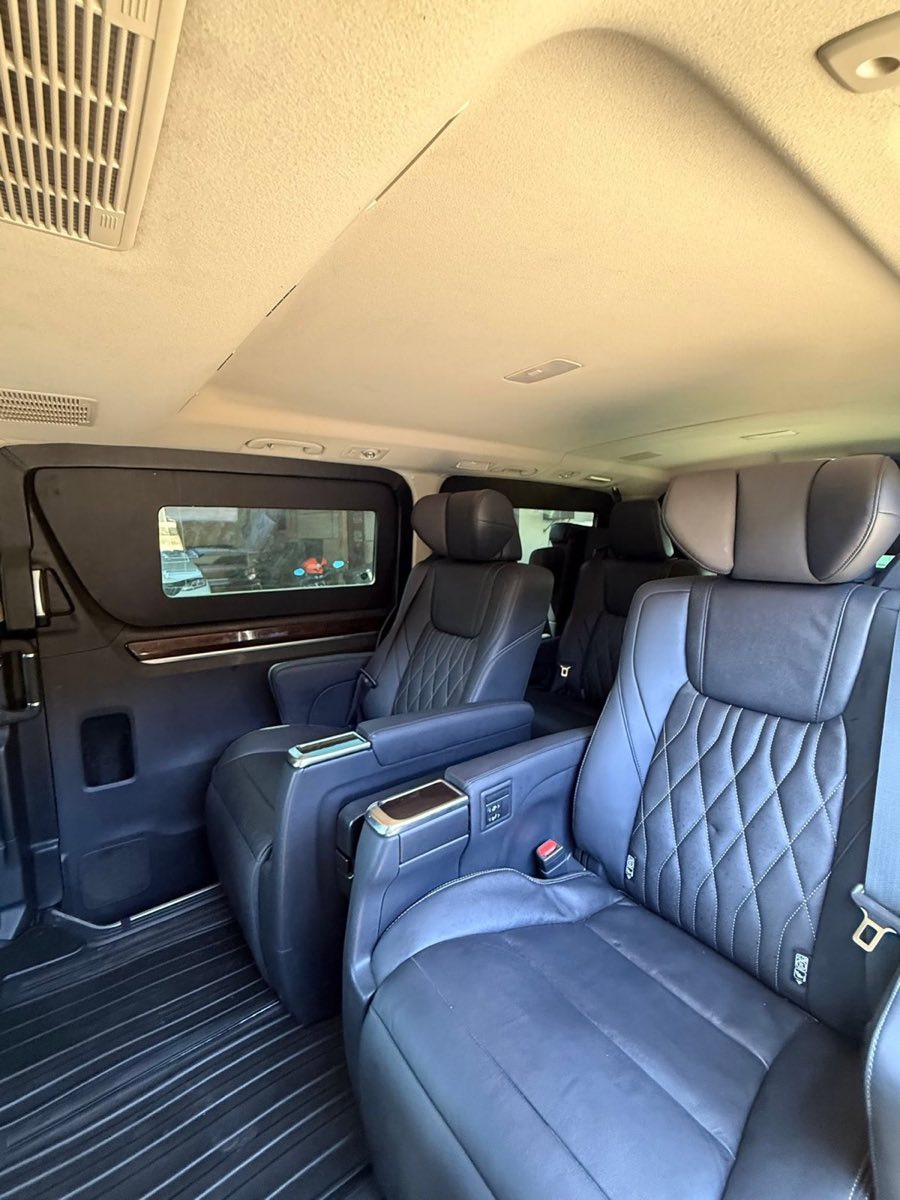
Photographs from our own shop in Inayawan. Select any image to view it full size — use the arrow keys to move through the set.
Common questions
It depends on the platform and the specification. A full package involves stripping the vehicle to bare metal, templating every panel, fitting armor and glass, upgrading the running gear and rebuilding the interior — so plan in weeks, not days. We give you a build schedule with the quote and keep you updated at each stage.
That is the point of selective-fit armoring. Armor sits inside the original panels, glass is cut to the original apertures, and the interior goes back exactly as the factory finished it. From the kerb, an ARMADILLO build reads as a standard vehicle — which is the most useful protection a vehicle can have.
Enough that it has to be engineered for. The exact figure depends on the platform, the protection level and how much of the vehicle is covered, and we give you the expected added weight as part of the written specification. Whatever the number, the suspension, brakes and tyres are re-specified to carry it before the vehicle leaves us.
Yes — most of our work is on client-owned vehicles. We survey it first and tell you honestly whether the body, mileage and service history make it a good candidate. If it does not, we will say so rather than take the job.
We do. For fleet and convoy programmes we agree one specification across the vehicles so protection, spares and servicing stay consistent, then schedule builds so you are never short of working vehicles. Talk to us about staging before the first one comes in.
Start a build
Send us the make, model and year, and a sense of where it operates. We will come back with a protection specification, a build schedule and a price — in writing.